Modernizing B2B Procurement: The Shift Toward Autonomous, Integrated, and Intelligent Buying

Introduction
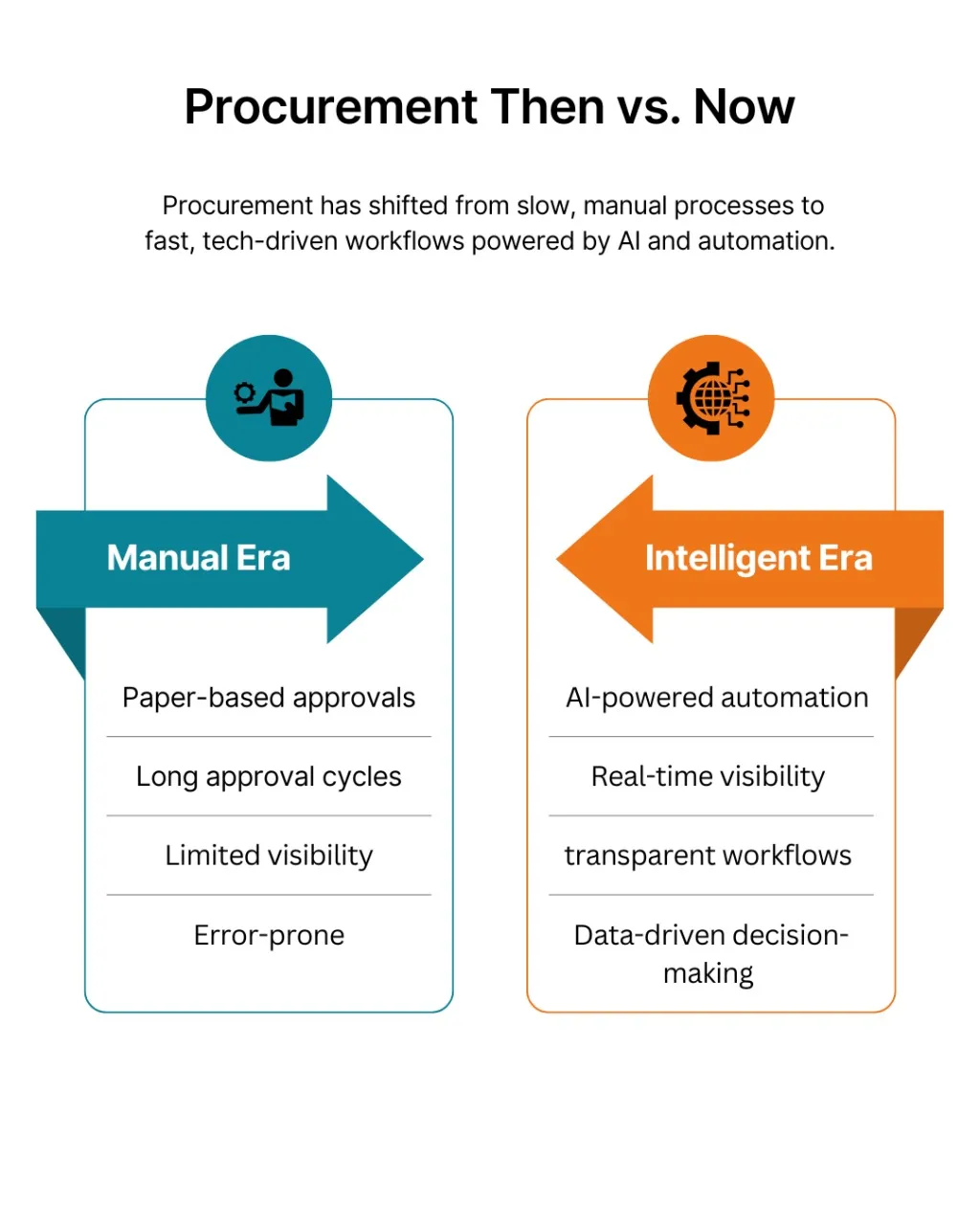
B2B procurement has undergone a significant evolution over the years, transforming from manual, paper-based transactions to highly automated and technology-driven processes. Traditional procurement methods often involved lengthy approval cycles, fragmented systems, and limited visibility into spending and supplier performance. However, as business operations have become more complex and competitive, organizations are increasingly adopting autonomous, integrated, and intelligent procurement processes to streamline their supply management.
Modern procurement leverages advanced technologies such as artificial intelligence, machine learning, and blockchain to automate routine tasks, enhance decision-making, and improve collaboration across the entire procurement lifecycle. This shift enables procurement teams to operate more strategically, focusing on value creation, risk mitigation, and strengthening supplier relationships. By embracing these innovations, businesses can achieve greater efficiency, cost savings, and agility, positioning procurement as a vital function that drives overall organizational success.
The Procurement Lifecycle: From Need Identification to Payment
The procurement lifecycle is a comprehensive strategic process that guides organizations through the acquisition of goods and services, ensuring they obtain the best price and quality while maintaining operational efficiency. This vital business function involves several key stages that procurement teams manage collaboratively to meet business objectives.
1. Need Identification
The procurement process begins with identifying the organization's requirements for goods or services. This involves gathering detailed specifications and consolidating needs from various business units to create a clear purchase request.
2. Supplier Selection and Market Research
Next, procurement professionals conduct thorough market research to identify potential suppliers who can fulfill the organization's needs. This step often includes evaluating suppliers based on quality, reliability, pricing, and alignment with sustainability and ethical standards.
3. Competitive Bidding Process
To ensure transparency and secure the best value, organizations typically engage in a competitive bidding process. This may involve issuing Requests for Proposal (RFPs) or Requests for Quotation (RFQs) to multiple suppliers, allowing for fair competition and informed decision-making.
4. Contract Negotiation
Once a preferred supplier is selected, the procurement team negotiates price, service contracts, delivery terms, and other conditions to establish a mutually beneficial agreement that supports long-term supplier relationships.
5. Purchase Order Creation
After finalizing contract terms, a formal purchase order (PO) is created and sent to the supplier. The PO details the goods or services requested, quantities, agreed prices, and delivery schedules, serving as an official authorization for procurement.
6. Delivery and Receipt of Goods or Services
The supplier delivers the goods or services as per the purchase order. The procurement team inspects and verifies the delivery to ensure it meets the specified quality and quantity requirements.
7. Invoice Reconciliation and Payment Processing
Following delivery, the finance team performs a three-way match by comparing the purchase order, delivery receipt, and supplier invoice to confirm accuracy. Once verified, payment is processed according to agreed terms, completing the procure to pay process.
Throughout this entire procurement cycle, procurement managers and purchasing managers play critical roles in coordinating activities, mitigating risks, and leveraging procurement software to streamline workflows. By effectively managing direct and indirect procurement, organizations can enhance supply chain management, maintain compliance with public procurement regulations, and achieve significant cost savings while supporting sustainable and ethical sourcing practices.
Direct vs. Indirect Procurement
Direct procurement involves acquiring raw materials and goods procurement that are essential inputs directly used in the production of a company's finished products. This type of procurement plays a critical role in ensuring that manufacturing processes run smoothly and that the final goods meet quality standards. Examples include sourcing raw materials like steel, components, or packaging materials.
In contrast, indirect procurement focuses on services procurement and office supplies that support the company's day-to-day operations but are not part of the final product. This includes procuring consulting services, maintenance, IT support, and general office materials. While indirect procurement may not directly impact production, it is vital for maintaining operational efficiency and supporting various business functions.
Both direct and indirect procurement are integral to a comprehensive procurement strategy, requiring procurement teams to manage supplier relationships, negotiate contracts, and align purchasing activities with overall business objectives to optimize cost savings and operational continuity.
Key Features Driving Modern Procurement
Purchase Order (PO) Automation
Automating the creation and processing of purchase orders reduces manual errors, accelerates approval cycles, and increases overall efficiency. This leads to faster procurement cycles, improved compliance, and better control over spending, ultimately reducing operational costs.
• Coupa
• SAP Ariba
• Oracle Procurement Cloud
Automated Multi-Level Approval Workflows
By implementing automated approval workflows that route purchase requests through the appropriate levels of authorization, businesses ensure compliance with internal policies and regulatory requirements. This minimizes delays, enhances transparency, and reduces the risk of unauthorized purchases.
• Kissflow Procurement Cloud
• Zoho Creator
• ProcurePort
AI-Powered Spend Analytics & Recommendations
Artificial intelligence analyzes procurement data to identify spending patterns, uncover savings opportunities, and recommend optimized sourcing strategies. This empowers procurement teams to make data-driven decisions, enhance budget management, and improve supplier negotiation outcomes.
• Jaggaer
• GEP SMART
• SpendHQ.
Blockchain for PO/Invoice Reconciliation
Blockchain technology provides a secure and transparent ledger for tracking purchase orders and invoices, reducing fraud and disputes. This enhances trust among stakeholders, accelerates payment processing, and streamlines audit trails, improving financial accuracy and supplier relationships.
• IBM Blockchain Transparent Supply
• VeChain
• Provenance
Predictive Replenishment for Maintenance, Repair, and Operations (MRO)
Predictive analytics forecast inventory needs for MRO supplies, preventing stockouts and overstock situations. This ensures operational continuity, reduces carrying costs, and improves cash flow management by optimizing inventory levels.
•EazyStock
• NetSuite Inventory Management
• Oracle SCM Cloud
Procurement Software and Integration with Inventory Management and Supply Chain Systems
Integrated procurement software centralizes procurement activities and connects them with inventory and supply chain management systems. This integration provides real-time visibility into stock levels and supplier performance, enhances coordination across departments, and supports agile decision-making to respond to market changes effectively.
• SAP Integrated Business Planning
• Microsoft Dynamics 365 Supply Chain Management
• Coupa
Strategic Procurement Management and Sourcing Strategies
Strategic procurement management involves the careful planning and execution of procurement activities to align with an organization's overall business objectives. Developing a robust procurement strategy starts with understanding the company's needs and market conditions, enabling procurement professionals to identify opportunities for cost savings, risk reduction, and value creation.
Market research plays a crucial role in sourcing strategies by helping procurement teams identify and evaluate potential suppliers. This research includes analyzing supplier capabilities, financial stability, reputation, and alignment with sustainability and ethical standards. Effective market research ensures that the organization selects suppliers who can reliably provide quality goods or services at competitive prices.
Supplier contract management is another vital component of strategic procurement. It encompasses negotiating favorable terms, managing contract compliance, and fostering collaboration to maximize value throughout the contract lifecycle. Well-managed contracts help mitigate risks, ensure timely delivery, and maintain cost control. Strengthening supplier relationships is essential for long-term procurement success. Building trust and open communication with suppliers encourages collaboration, innovation, and responsiveness to changing business needs. Strong partnerships enable organizations to navigate supply chain disruptions more effectively and achieve mutual benefits such as improved quality, flexibility, and cost efficiencies.
By integrating these elements procurement strategy development, thorough market research, diligent contract management, and supplier relationship enhancement organizations can optimize their procurement function to support sustainable growth and competitive advantage
Sustainable and Ethical Procurement Practices
Sustainable procurement initiatives focus on acquiring goods or services procurement in a manner that minimizes environmental impact and promotes social responsibility. This involves prioritizing suppliers who adhere to eco-friendly practices, use renewable resources, and reduce waste throughout their supply chains. Ethical sourcing is a key aspect, ensuring that products are obtained from suppliers who maintain fair labor practices, provide safe working conditions, and avoid exploitative practices such as child labor or unfair wages.
Key elements of sustainable and ethical procurement include:
• Sustainable Procurement Initiatives: Prioritizing suppliers with environmentally friendly practices and reducing waste.
• Ethical Sourcing: Ensuring fair labor practices, safe working conditions, and avoidance of exploitative labor.
• Transparency and Accountability: Building trust through open procurement processes, monitoring supplier performance, and enforcing contract compliance.
• Long-term Value Creation: Embedding sustainability and ethics to mitigate risks and enhance corporate reputation.
By embedding these principles into procurement strategies, procurement departments can contribute to long-term value creation, risk mitigation, and enhanced corporate reputation.
Risk Mitigation and Challenges in Modern Procurement
Modern procurement faces several challenges that can impact business operations and profitability. Common issues include supply chain disruptions, cost control pressures, and compliance risks. Supply chain disruptions may arise from geopolitical events, natural disasters, or supplier failures, leading to delays and shortages of critical goods and services. Cost control remains a constant challenge as fluctuating market prices and inflation affect procurement budgets. Additionally, compliance risks related to regulatory requirements, ethical sourcing, and contract management can expose organizations to legal and reputational damage.
To mitigate these risks, procurement teams can adopt several strategies. Building a diversified supplier base helps reduce dependency on single sources and enhances supply chain resilience. Implementing robust contract management and compliance monitoring ensures adherence to legal and ethical standards. Leveraging procurement software with real-time analytics enables early identification of potential disruptions and cost overruns. Strategic sourcing practices, including thorough market research and supplier evaluation, support informed decision-making and risk reduction. Furthermore, fostering strong supplier relationships promotes collaboration and transparency, facilitating proactive problem-solving during crises.
By integrating these risk mitigation strategies into their procurement processes, organizations can better navigate challenges, maintain operational continuity, and achieve sustainable cost savings while upholding compliance and ethical standards
Procurement Analytics and Performance Measurement
Procurement analytics plays a crucial role in optimizing procurement efficiency and achieving significant cost savings. By leveraging data-driven insights, procurement teams can analyze spending patterns, evaluate supplier performance, and identify opportunities to streamline the procurement process. Advanced procurement analytics tools enable organizations to monitor key performance indicators (KPIs) such as cost savings, supplier lead times, contract compliance, and purchase order cycle times.
Key performance indicators provide measurable benchmarks that help procurement professionals assess the effectiveness of their procurement strategies and operations. Common KPIs include spend under management, cost avoidance, supplier delivery performance, and invoice processing time. Tracking these metrics allows procurement managers and procurement specialists to make informed decisions, proactively address risks, and continuously improve procurement outcomes.
Spend management complements procurement analytics by providing visibility and control over organizational expenditures. Effective spend management ensures that all purchases align with the company’s procurement strategy and budgetary goals, reducing maverick spending and enhancing supplier negotiations. Integrating spend management with procurement software facilitates real-time tracking and reporting, enabling procurement teams to optimize purchasing decisions across both direct and indirect procurement categories.
Together, procurement analytics, KPI monitoring, and spend management form a comprehensive framework that empowers procurement teams including purchasing agents and chief procurement officers to drive operational excellence, support sustainable procurement initiatives, and contribute to the overall success of business operations.
The Future of Procurement: Trends and Innovations
The future of procurement is being shaped by rapid technological advancements and evolving business needs, driving significant changes in how organizations manage their procurement processes. Several key trends and innovations are defining this transformation:
1. Autonomous Procurement
Autonomous procurement leverages artificial intelligence (AI) and machine learning to automate routine tasks such as purchase order creation, supplier selection, and invoice processing. This reduces manual intervention, accelerates the procurement lifecycle, and allows procurement professionals to focus on strategic activities like supplier relationship management and risk mitigation.
2. AI Advancements
AI technologies are enhancing procurement analytics, enabling smarter spend analysis, predictive demand forecasting, and real-time supplier performance monitoring. AI-powered tools help identify cost-saving opportunities, detect anomalies that may indicate fraud, and optimize sourcing strategies, making procurement more proactive and data-driven.
3. Composable Procurement Models
Composable procurement refers to modular and flexible procurement systems that allow organizations to assemble best-of-breed software components tailored to their unique needs. This approach facilitates seamless integration with existing inventory management, supply chain, and finance systems, enhancing agility and scalability in procurement operations.
4. Digital Transformation
The growing importance of digital transformation in procurement cannot be overstated. Cloud-based procurement software, blockchain for secure contract and transaction management, and advanced automation tools are streamlining procurement workflows, improving transparency, and ensuring compliance. Digital transformation also supports sustainable procurement by enabling better tracking of supplier sustainability credentials and ethical sourcing practices.
Together, these innovations are positioning procurement as a vital, strategic function that drives operational excellence, cost savings, and competitive advantage in an increasingly complex and dynamic business environment.
Conclusion
Modernizing procurement processes offers a multitude of benefits that significantly contribute to achieving business objectives and operational excellence. By embracing advanced technologies such as AI, automation, and integrated procurement software, organizations can streamline their procurement lifecycle, reduce manual errors, and accelerate purchase order processing. This modernization enhances cost savings through more effective strategic sourcing and competitive bidding, while also improving risk mitigation by providing greater visibility into supplier performance and supply chain disruptions.
Moreover, modern procurement fosters stronger supplier relationships and supports sustainable and ethical sourcing practices, aligning procurement activities with broader corporate social responsibility goals. The integration of procurement with inventory management, shipping and warehouse management, and finance systems ensures seamless operations and better decision-making across the supply chain. Ultimately, a modernized procurement function empowers procurement professionals and teams to operate more strategically, driving value creation, operational efficiency, and resilience—key factors that underpin long-term business success and competitive advantage.
Introduction
The Procurement Lifecycle: From Need Identification to Payment
Direct vs. Indirect Procurement
Key Features Driving Modern Procurement
Strategic Procurement Management and Sourcing Strategies
Sustainable and Ethical Procurement Practices
Risk Mitigation and Challenges in Modern Procurement
Procurement Analytics and Performance Measurement
The Future of Procurement: Trends and Innovations
Conclusion
Subscribe to learn more about content
Stay informed and never miss out on valuable insights. Subscribe today to access in-depth content, updates, and exclusive resources tailored just for you!