Sales Tracking: Enhancing Team Performance and Driving Revenue Growth

Introduction
In today’s competitive business landscape, sales tracking has become an indispensable part of successful sales strategies. Sales tracking refers to the systematic process of collecting, monitoring, and analyzing sales data to improve sales team performance, optimize sales processes, and ultimately drive revenue growth. By leveraging sales tracking, organizations can gain valuable insights into their sales activities, identify bottlenecks in the sales pipeline, and make informed decisions that align with their overall business goals.
Effective sales tracking supports sales teams by providing real-time visibility into their performance, enabling sales leaders to set clear targets, and empowering sales professionals to focus on high-impact activities. This article explores the essentials of sales tracking systems, their key features, benefits, challenges, best practices, and future trends, offering a comprehensive guide to harnessing the power of sales tracking for enhanced team performance and sustainable growth.
What is a Sales Tracking System?
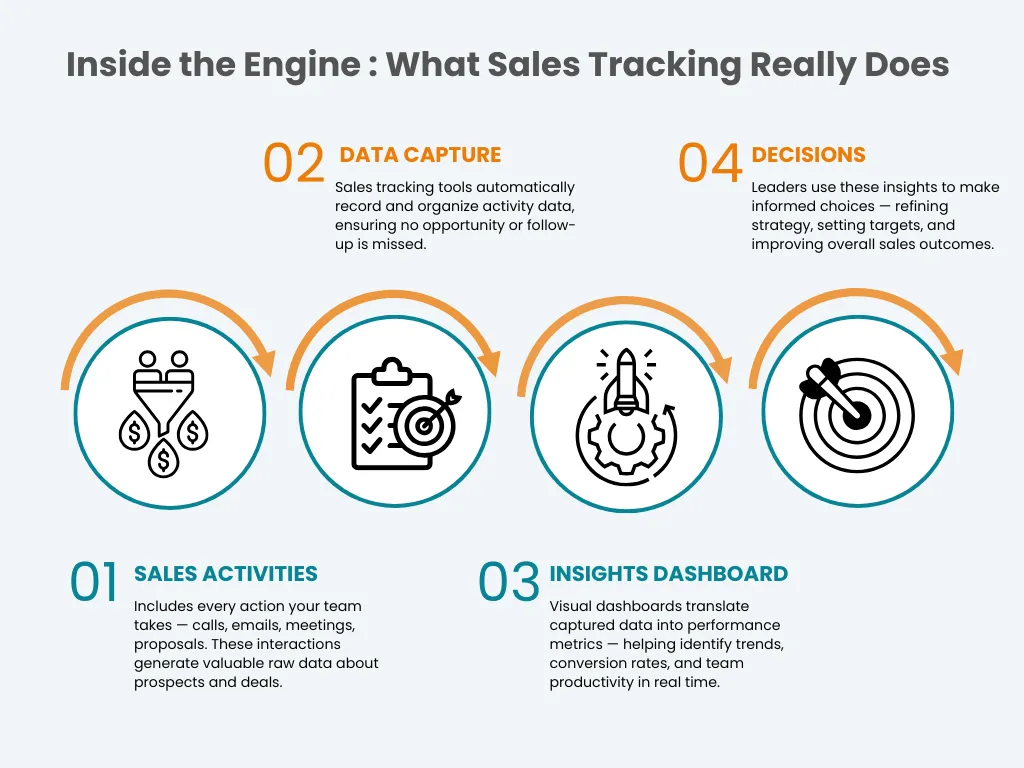
A sales tracking system is a software solution or set of tools designed to monitor and manage sales activities and performance metrics. It captures data on various sales interactions, such as calls, emails, meetings, and deal progress, allowing sales teams and managers to track progress against goals. Unlike a traditional Customer Relationship Management (CRM) system, which focuses broadly on managing customer interactions and relationships, sales tracking systems prioritize the detailed monitoring of sales activities and pipeline management to optimize the sales process.
Difference Between Sales Tracking and CRM Systems
While both sales tracking and CRM systems collect customer and sales data, their primary functions differ. CRM systems provide a holistic view of customer interactions across marketing, sales, and service, facilitating relationship management and customer satisfaction. Sales tracking systems, often integrated within CRM platforms or sales cloud solutions, specifically focus on tracking sales activities, pipeline stages, and deal progression to enhance sales performance.
This distinction is important because sales tracking software makes it easier for sales leaders to monitor key sales metrics, automate administrative tasks such as manual data entry, and generate actionable insights that directly impact sales success.
Role of Sales Tracking in Managing Sales Activities and Pipeline
Sales tracking plays a critical role in managing the sales pipeline by providing visibility into each stage of the sales cycle. It helps identify qualified leads, track deal registration, and monitor the velocity of deals moving through the pipeline. With this information, sales teams can prioritize high-potential opportunities, forecast revenue more accurately, and reduce sales cycle length, ultimately increasing channel sales and partner revenue.
Key Features of Sales Tracking Software
1. Monitoring Sales Data and Sales Metrics
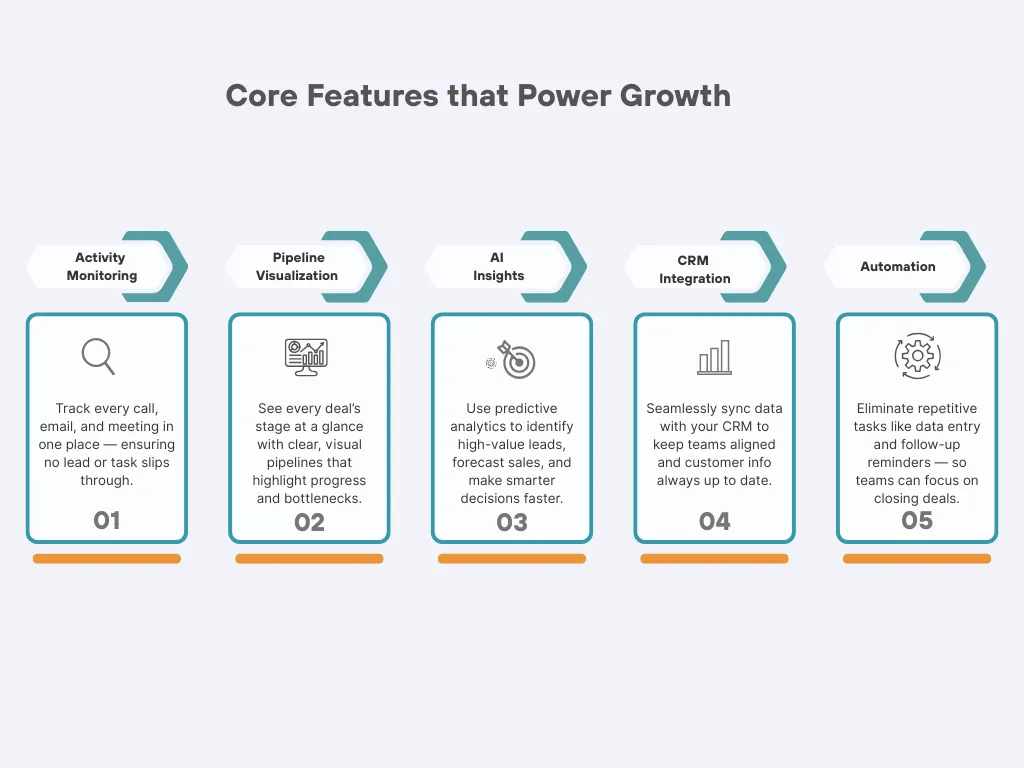
Sales tracking software continuously collects sales data, including call logs, email interactions, meeting notes, and deal status updates. It tracks essential sales metrics such as win rates, average deal size, sales cycle length, and conversion ratios. This data-driven approach enables sales professionals and partner managers to evaluate their sales performance and adjust their strategies accordingly.
2. Tracking Sales Pipeline and Deal Progression
One of the most valuable features of sales tracking systems is the ability to visualize the sales pipeline. Sales teams can see where each deal stands, from initial contact to closing, and monitor deal progression in real-time. This transparency ensures that no opportunity is overlooked and helps sales leaders identify bottlenecks or stalled deals that require attention.
3. Automating Administrative Tasks and Manual Data Entry
Manual data entry can be time-consuming and prone to errors, detracting from valuable selling time. Sales tracking software automates many administrative tasks by capturing data directly from emails, calls, and meetings, and logging it into the system. This automation reduces the administrative burden on sales professionals, allowing them to focus on customer interactions and sales development.
4. Generating Actionable Insights and Data Analysis
Beyond data collection, sales tracking systems analyze sales data to generate actionable insights. These insights can include identifying the most effective sales activities, understanding customer behavior patterns, and forecasting sales trends. By turning data into informed decisions, sales teams can refine their sales strategies, improve partner engagement, and enhance overall sales success.
5. Integration with CRM Tools and Sales Cloud Platforms
Modern sales tracking software often integrates seamlessly with CRM tools and sales cloud platforms like Salesforce Sales Cloud. This integration ensures that all the data related to customer interactions, partner activities, and sales performance is consolidated in one place. It facilitates a unified approach to sales and relationship management, improving collaboration between sales, marketing, and partner teams.
Benefits of Effective Sales Tracking
1. Improving Sales Team Performance and Productivity
By providing clear visibility into sales activities and outcomes, sales tracking helps sales leaders identify top performers, recognize areas for improvement, and allocate resources effectively. Sales professionals benefit from real-time feedback and performance metrics that motivate and guide their efforts toward meeting sales goals.
2. Enhancing Visibility into Sales Cycle and Qualified Leads
Sales tracking offers detailed insights into the length and stages of the sales cycle, enabling teams to optimize their sales processes. It also helps in identifying and prioritizing qualified leads, ensuring that sales efforts are focused on the most promising opportunities, which increases the likelihood of closing deals.
3. Facilitating Informed Decisions and Strategic Sales Planning
With access to comprehensive sales data and analytics, sales leaders can make data-driven decisions that align with business objectives. This includes adjusting sales strategies, refining partner programs, and planning marketing campaigns that support sales goals and improve customer experience.
4. Increasing Revenue Potential and Cost Reduction
Effective sales tracking contributes to revenue growth by streamlining the sales process, reducing sales cycle times, and improving close rates. Additionally, automation reduces the time spent on administrative tasks, leading to cost savings and better allocation of sales resources.
5. Supporting Sales Leaders and Sales Professionals in Goal Achievement
Sales tracking software equips sales leaders with the tools to monitor team performance, set realistic sales targets, and provide coaching where needed. Sales professionals gain clarity on their progress and areas to focus on, fostering a culture of accountability and continuous improvement.
Challenges in Sales Tracking and How to Overcome Them
Managing Large Volumes of Sales Data
Sales teams often grapple with overwhelming amounts of data, which can be difficult to organize and analyze. Implementing a robust sales tracking system with automated data capture and intelligent analytics helps manage this complexity and ensures data accuracy.
Avoiding Time-Consuming Manual Processes
Manual data entry and reporting can drain valuable time and lead to errors. Automating these processes through integrated sales tracking software reduces administrative burdens and improves data reliability.
Ensuring Accuracy and Security of CRM Data
Maintaining accurate and secure CRM data is crucial for effective sales tracking. Organizations should enforce strict data governance policies, use secure sales cloud platforms, and provide training to sales teams on data hygiene best practices.
Adapting Sales Tracking to Changing Market Dynamics
Market conditions and customer behaviors evolve rapidly, requiring sales tracking systems to be flexible and customizable. Regularly updating sales tracking tools and aligning them with current sales strategies ensures continued relevance and effectiveness.
Best Practices for Implementing Sales Tracking
Setting Clear Sales Goals and KPIs
Successful sales tracking begins with defining clear, measurable sales goals and key performance indicators (KPIs). These should align with overall business objectives and provide a roadmap for sales teams to follow.
Customizing Sales Tracking Tools to Fit Sales Strategy
Sales tracking software should be tailored to the unique needs of the organization, its sales process, and partner programs. Customization ensures that the tools capture relevant data and support the specific workflows of the sales team.
Regularly Analyzing Sales Data to Track Progress
Continuous analysis of sales data allows teams to monitor progress toward goals, identify trends, and make timely adjustments. Regular sales reviews and data-driven discussions foster a proactive sales culture.
Encouraging Collaboration Between Sales and Marketing Teams
Sales tracking data can inform marketing campaigns and partner engagement strategies. Encouraging collaboration between sales and marketing ensures alignment on target audiences, messaging, and lead qualification, enhancing the customer journey and overall satisfaction.
The Future of Sales Tracking
The Impact of AI and Automation on Sales Tracking Software
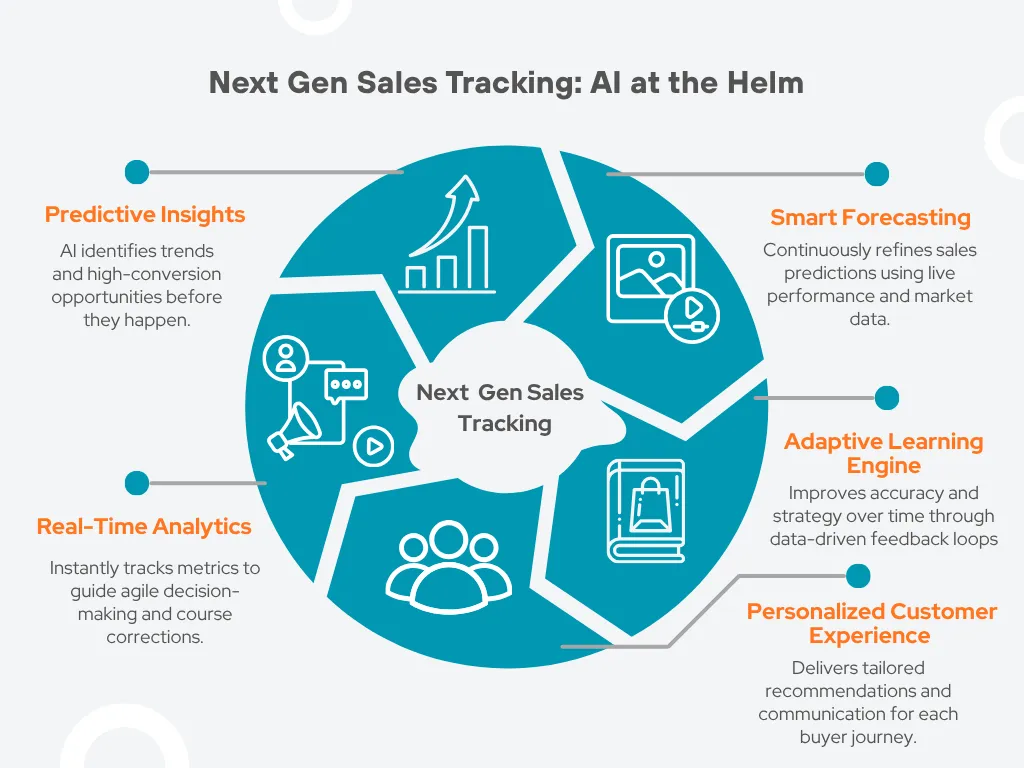
Artificial intelligence (AI) and automation are transforming sales tracking by providing predictive analytics, intelligent lead scoring, and automated workflow management. These technologies enable sales teams to focus on high-value activities and make smarter, faster decisions.
Trends in Real-Time Analytics and Sales Cloud Integration
Real-time analytics empower sales teams with up-to-the-minute insights into sales performance and market dynamics. Integration with sales cloud platforms enhances data accessibility and collaboration across teams and external partners.
Enhancing Customer Interactions and Overall Satisfaction Through Data-Driven Sales
By leveraging sales tracking data, organizations can personalize customer interactions, anticipate needs, and deliver exceptional customer experiences. This data-driven approach strengthens customer relationships and drives long-term loyalty.
Conclusion
Sales tracking is a vital component of modern sales strategies, offering a comprehensive view of sales activities, pipeline health, and team performance. By adopting advanced sales tracking systems and integrating them with CRM and sales cloud platforms, organizations can turn data into actionable insights, optimize their sales processes, and drive revenue growth. Embracing best practices and leveraging emerging technologies such as AI will position sales teams for sustained success in an ever-evolving market.
Introduction
What is a Sales Tracking System?
Difference Between Sales Tracking and CRM Systems
Key Features of Sales Tracking Software
Benefits of Effective Sales Tracking
Challenges in Sales Tracking and How to Overcome Them
Best Practices for Implementing Sales Tracking
The Future of Sales Tracking
Conclusion
Subscribe to learn more about content
Stay informed and never miss out on valuable insights. Subscribe today to access in-depth content, updates, and exclusive resources tailored just for you!